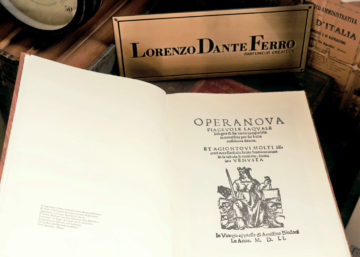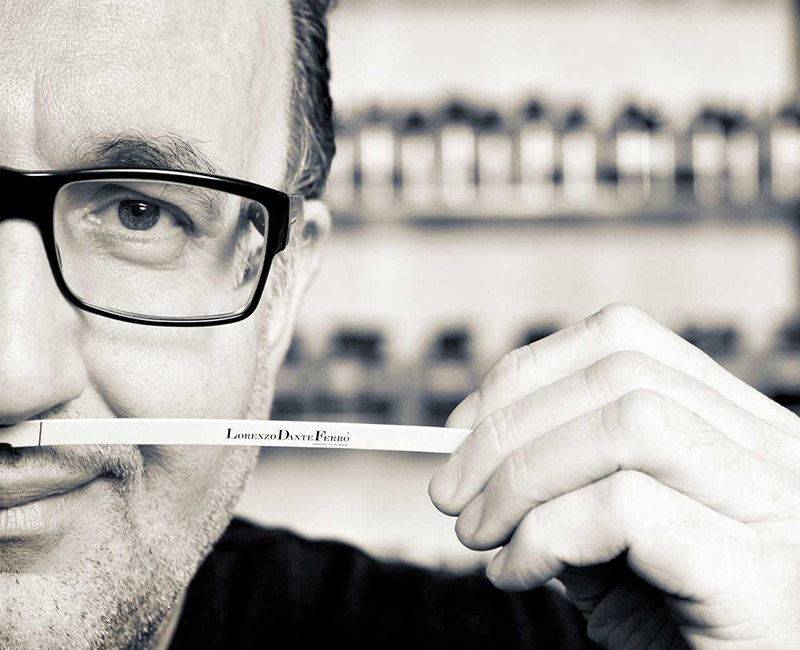

One of the hallmarks of Ferro’s influence lies in his emphasis on the artisanal nature of perfume-making. At a time when mass production and commercial interests began to dominate the fragrance market, Ferro stood out as a purist who championed the importance of individuality and authenticity. He sought to preserve the traditional methods of perfumery while simultaneously integrating modern techniques and innovations. His meticulous approach to sourcing raw materials ensured that each fragrance he created was of unparalleled quality, reflecting his deep respect for natural ingredients.
Ferro’s commitment to sustainability has been another defining aspect of his legacy. Long before sustainability became a buzzword in the industry, he recognized the importance of ethical practices in sourcing ingredients and producing perfumes. He advocated for environmentally friendly methods of extraction and processing, ensuring that the natural ecosystems from which ingredients were derived remained intact. This not only set a precedent for other perfumers but also appealed to a growing demographic of environmentally conscious consumers. Ferro’s work demonstrated that luxury and sustainability could coexist harmoniously, paving the way for a more responsible and ethical fragrance industry.

Education and mentorship have also played a significant role in Ferro’s revolutionary impact. Understanding that the art of perfumery risked being lost to the pressures of commercialization, Ferro took it upon himself to train and mentor aspiring perfumers. By establishing workshops and educational programs, he ensured that the next generation of perfumers would inherit a strong foundation in both the technical and artistic aspects of the craft. His efforts to demystify the process of perfume creation not only empowered young talent but also fostered a greater appreciation for the complexity and beauty of fragrances among the general public.
Moreover, Ferro’s work has been instrumental in redefining the relationship between perfumery and culture. He viewed fragrances as more than mere commodities; for him, they were storytellers, capable of evoking emotions, memories, and a sense of place. This perspective led him to create scents that were deeply personal and culturally resonant, often drawing inspiration from art, literature, and history. By doing so, he elevated perfumery to the realm of high art, challenging the notion that fragrances were solely products of luxury consumption.
Another groundbreaking aspect of Ferro’s career was his approach to bespoke perfumery. He was one of the pioneers in offering personalized fragrances tailored to the unique preferences and personalities of his clients. This bespoke approach not only added an intimate and exclusive dimension to the fragrance experience but also highlighted the deeply personal nature of scent. Through this, Ferro demonstrated that a fragrance could be more than an accessory; it could be a reflection of one’s identity.
In conclusion, Lorenzo Dante Ferro’s contributions to the perfume industry have been nothing short of transformative. His dedication to craftsmanship, sustainability, education, and cultural storytelling has reshaped the way we perceive and interact with fragrances. By championing the artistry and ethical responsibility of perfumery, Ferro has left an indelible mark on the industry, inspiring both professionals and consumers to approach scents with a deeper sense of appreciation and reverence. His legacy serves as a reminder that the power of fragrance extends far beyond its olfactory appeal, embodying a rich tapestry of artistry, culture, and innovation.